With snowdrops (hopefully) about to make an appearance you might be thinking about having a good old-fashioned spring clean at home although it appears that this ritual our mothers used to go through every spring has now be re-named as ‘de-cluttering.’
We now carry emotional clutter as well as physical clutter and there are numerous books on the subject all with the ultimate aim of helping us to live more sparingly and without the stress that mountains of possessions create.
Those of you familiar with Japanese ‘organising consultant’ Marie Kondo’s book will be well aware that her way of dealing with clutter is to work through individual categories of possessions starting with clothing as the largest one down to that pile of papers we all seem to accumulate in the corner of our kitchen. Each item regardless how small needs to be held and we then need to ask whether it still ‘sparks joy.’ While I can understand the theory behind this, the perceived enormity of the task to date has prevented me from wholly embracing the ‘KonMari method.’ I prefer to break the tasks up into far more manageable chunks, whether that be one room at a time, one cupboard or simply one drawer. Once you’ve decided on where you’re going to start and starting with a drawer is absolutely fine, you can then sort all that ‘stuff’ into 4 different groups.
1 – Cherish
These are all the things you’re going to keep; you things you can’t live without or simply can’t bear to part with. If you struggle with getting rid of things, just because you decide to ‘cherish’ certain items doesn’t mean that they have to be on display or that they take up your valuable storage space. You may have certain books, items of clothing, photographs etc that have sentimental value and if that’s the case a few sturdy storage boxes and some attic space is the best place for them.
One you’ve sorted through everything you’re going to keep, what’s left, without sounding too harsh, can be got rid of but think about dividing up your ‘junk’ into 3 separate groups.
2 – Cash
The ‘cash’ group is for items you no longer want but you may be able to sell. Sites such as EBay, Gumtree or even Facebook are a great way of cashing in items of furniture or clothing and what better way to be rewarded for all your hard work than by making a little bit of money.
So having safely stored your most cherished items and listed those you wish to sell there are only two further categories to deal with.
3 – Charity
You’re bound to have items of furniture, clothing as well as books that may not have a second hand value but would be gratefully received at you local charity shop. I would always advise checking beforehand what they are able to take as there are certain regulations they need to follow regarding items of furniture and there may well be others.
4 – Crap
And this is exactly what it ‘says on the tin’ – it’s all that ‘stuff’ that you’ve no doubt forgotten you even had, it doesn’t work and it’s certainly of no use to anyone else. So fill the car boot, take it to your local tip and take a moment to notice how much better you feel for having got through such a mammoth task.
Did you find this helpful?! Head over to my Facebook Page to connect and stay up to date with our latest projects!
The key to the successful execution of any project is in careful planning. The following guidelines will take you through the process and may help you to save both time and money when planning your own project.
Define the purpose of the space
This may seem really obvious but unless you have thought about how you are going to use the space or spaces you are creating, the other pieces of the jigsaw won’t fall into place. The function of the space dictates the furniture you will need, the furniture layout determines where you will need power and light, how you intend to use a space will influence your flooring choice. So whether you are planning a single storey extension to the kitchen to create a breakfast room or a whole house new build, defining the space is key. Also think about whether the space you are creating needs to fulfil more than one purpose – does the extra bedroom also need to be an office space? Will the breakfast room also be used as a playroom? The furniture you choose will need to be able to carry out these functions.
At this stage I would also advise ‘future-proofing’ any decisions you make; that extension you’re currently planning to create a playroom for your toddlers may need to become a more relaxed space for teenagers and their friends in the future. Taking into consideration now how you will manage this transition will save you money in the long run.
Bringing your floor plans to life
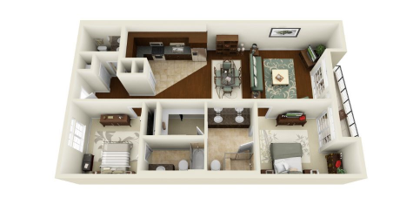
Having worked out how you are going to use the spaces and rooms you are creating, you can now start having fun and look at furniture layouts. This is the part where your dreams start becoming reality. When considering furniture, it’s important to look at not only the size of a particular item but also its scale and proportion in relation to the actual room. At this stage I would also consider times of the year when extra furniture is required – Christmas and other family celebrations. Does the space allow for this?
How we move around a space or from one space/room to another is known as ‘traffic flow’ and our furniture layouts need to support this. If you’re planning a whole house new build make sure you haven’t created any bottle necks; kitchens are usually the heart of the home and where most of the family will spend the majority of their time and as such usually need more than one entry way. Think about sight lines – what you can see when looking from one space to another. Being able to extend sightlines immediately makes a space feel bigger and brighter hence the growing trend for open-plan living.
Storage
You can never have enough storage space and careful forward planning will ensure you make the most of the available space. Think about how you want to store certain items. Open plan shelving is great for displays of books and our most precious items whilst the family’s coat and shoe collection is less aesthetically pleasing and a large cupboard would be a more practical solution.
Power and Light
Once you have your floor plans complete with furniture layouts, you will be able to work out where you need power and light. Don’t at this stage be tempted to leave these decisions to the tradespeople on site; they will have little understanding of how you intend to use the room/s you are creating and making assumptions more often than not leads to mistakes which can be costly to rectify. Think about not only how you will use the space but also who will be using it and remember to future proof your decisions as our needs and those of our family members change over time.
Large open plan spaces are great but fewer walls limit your options in terms of socket placements. If you’re looking to ‘zone’ a large living/dining space with a console table and two fabulous lamps, sockets in the floor may be needed to power these.
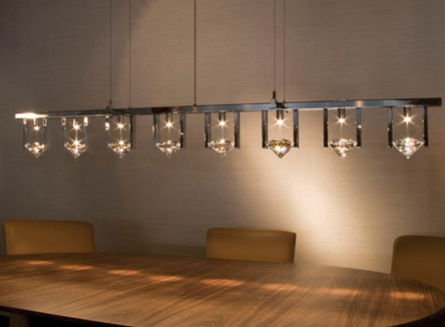
When considering lighting, it’s all about layers. Bright overhead lighting, known as ‘task lighting’ is important in kitchens and bathrooms but you also need to consider ambient lighting options such as under cupboard lighting, wall lights and floor and table lamps. If you do opt for a series of table and floor lamps in a particular room, consider having these wired into a circuit so they can be powered from a single switch.
Heating
When considering heating options it’s important to do some research. Radiators are still the traditional choice but under floor heating is becoming increasingly popular. Radiators may not be the best option for open plan spaces as cold spots could be created whereas under floor heating provides a more uniform distribution of heat. Also remember to check whether under floor heating can be used with your flooring choices.
Flooring
This has to be practical and function has to take priority over form.
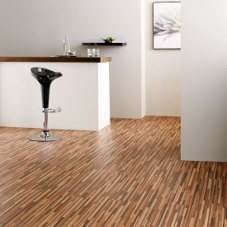
Wood and tiles are ideal for heavy traffic areas and the most practical option for bathrooms whereas carpet is still the most popular choice for bedrooms. Bear in mind that natural products such as wood, slate and limestone will require a degree of regular maintenance. If this isn’t for you have a look at the options available from “Amtico” and “Karndean”. They can give you the look of a natural product without the associated maintenance issues.
Window treatments
For me this has to be the most overlooked aspect of any build and design project not only in terms of planning but also in terms of budget. With a new build project do consider in the early stages whether it will be possible to fit window treatments particularly if you intend to install large double-height windows. Window dressings need to be practical, in terms of offering privacy, but they can also enhance the feel of a space by adding drama. However, bespoke, made to measure window treatments do come at a cost so it’s important that the budget allows for this.
Need Some Help?
The greater the build project, the greater the requirement for detailed planning. If this is something you don’t feel you can manage alone, an interior designer will be able to guide you through the process and help you to make the right decisions in the right order which in turn will save you both time and money in the long run. Find out more about how WE can help… CLICK HERE
Having spent the festive season at home and with spring around the corner this maybe a question you’re currently pondering.
According to Rightmove, Boxing Day and New Year’s Day are the busiest days of the year for online property viewing which is interesting given that most Estate Agents would advise against having your home on the market during the festive season.
Should I Move House?
So what do you do if instead of tackling that ‘to do’ list of maintenance jobs you’re beginning to wonder if moving would be a better idea?
My first bit of advice would be not to make any rash decisions; if you’re in a state of uncertainty you need to explore why that is and look at the pros and cons of each option.
I’ve recently had this conversation with a lovely client who has been in the same property for nearly 20 years. Over the last few years we’ve refurbished a number of rooms but the ‘biggies’ such as the master bedroom, ensuite and kitchen are still on the list. Not surprisingly the thought of tackling these rooms and the associated upheaval got her thinking whether a move wiping the slate clean and making a fresh start would be easier. I also think she’d fallen a bit out of love with her home and procrastination was keeping her stuck.
My advice to her (and to you if you’re having similar thoughts) was to go and view some properties that caught her eye. Really REALLY think about how you and your family use specific rooms and spaces and whether a different property would offer anything new or better. It’s ultimately about looking beyond what you can actually see and being able to picture yourself/selves living there and how those current needs will change over time as the family dynamics change.
You may currently have toddlers so a playroom might be on your list of ‘must-haves’ – it was on mine but now my toddlers are now 19 and 17 I’m delighted we have a drive big enough to accommodate a lot of cars! Your bedrooms may have fitted wardrobes, would a new property offer the same? What are your current and future needs in terms of outside space?
There’s an awful lot to consider and it’s all very personal as we all have different lists of must-haves. Moving house is up there on the list as one of the most stressful things to do so it’s not something to do on a whim. Equally there’s the financial aspect to consider: it’s not simply the asking price of the property as you also need to factor in Estate Agent’s and solicitor’s fees as well as stamp duty and removal costs.
Should I stay put?
If, instead of moving, you opt to tackle those maintenance and makeover projects on your home, there are also financial considerations here. Whether you may still be thinking about moving in a few years time or whether you’ve decided that your current home is in fact your ‘forever’ home will ultimately dictate how much you’ll be prepared to spend on it.
Whatever your decision be sure you’ve weighed up all the options, have a properly thought out plan and most importantly that you enjoy the journey.
Oh and in case you’re wondering – my lovely client hasn’t moved; we’ve very nearly completed the living room and will be moving on to tackle the kitchen shortly.
Find out how we can help you, whether you choose to move or stay put! CLICK HERE
Let’s Connect! You can find us over on Facebook and Instagram – see our latest projects and let us answer your questions!
I’m often asked where I start with a new client project and what the process is that goes on behind the scenes prior to the big reveal. As we’re currently working on two major home refurbs for different clients these insights will hopefully be helpful when you’re embarking on your own projects at home.
The starting point has to be the function of the space; how you’re going to use it, who will be using it and when. This may sound obvious but this will dictates your furniture choices, these choices and available space will influence your furniture layout which in turn influences where you’ll need power and light and so on and so forth. Also at this stage we’ll be getting to know our clients in terms of how they use the various rooms in their home as well as their ‘taste’ and likes and dislikes.
So next up is space planning, looking at where you’ll put your furniture, making sure it will fit and that there’s plenty of space to move round it. In a large open plan space you’ll need to consider ‘zoning’ for the different functions and this can be achieved effectively with rugs and/or furniture. Unless you’re building an extension and therefore you’ll be able to choose where you want power and light (always add more sockets than you think!) you may need to get an electrician involved in the project to add or move sockets and switches as necessary. Yes this is extra work but there’s nothing more frustrating than dreaming up a gorgeous console table with a beautiful lamp and then having to plug said lamp in!
At this stage it’s also important to look at how the rooms/spaces will flow between one another so looking at what’s beyond the room you’re working on and how it will work in the space as a whole. On a recent project we’ve re-positioned the door into cloakroom so that it can be accessed from the hallway rather then having to walk through the kitchen and utility room to get there and in the same property we’ve also opened up the space between the breakfast room and conservatory to allow for a larger, more sociable entertaining space.
Once you’ve done all this you can then start looking at details such as hardware choices, colours, window dressings and the like. So you may now be thinking about clashing a few colours and plumping the odd scatter cushion but there’s a whole stack of behind the scenes planning to be done before you get to this point.
Want us to help you get to the colour-clashing, cushion-plumping stage?! Check out our Work With Me section here on the website to find out more!
Take a look at our Portfolio to see some of the project’s we’ve worked on recently!
For a long time I struggled with the term ‘interior designer’ and would try to come up with other ways to describe what I do such as ‘home styling’ or ‘room makeover expert’ none of which rolled easily off the tongue. I ‘did’ interior design but I didn’t want to use the interior designer label. So what was that all about???
For me I think it was because I can still recall the faces of those poor homeowners on TV’s ‘Changing Rooms’ who were at the mercy of interior designers. The end results were often ghastly and even though it was ‘made for television’, the programme only confirmed the stigma attached to the profession. I’m now comfortable as an Interior Designer because firstly that is what I do and also I know that the ways I work with my clients aren’t the generally expected ‘norm’. So let’s have a look at the most common misconceptions about interior designers…
I wouldn’t be able to afford their fees!
This is the big one and ultimately it comes down being clear about and seeing the value in what you are paying for. At GMW HQ we have a flat fee for colour and staging consultations, all staging and some interior design projects are charged at either an hourly or daily rate and the fee for larger projects is an agreed percentage of the overall project cost. Whilst we don’t work for free, we don’t charge a fortune either and our clients agree.
I think misconceptions arise because a lot of what designers do is unseen; the hours spent sourcing a particular item of furniture or the time and effort involved in finding a practical and aesthetically pleasing solution to dressing a tricky window for example.
Think about those times you re-decorated a room and then gone on to hate the colour or you’ve bought a piece of furniture and got it home only to realise the scale and proportion of it look all wrong once in situ or those two gorgeous lamps you’ve finally for your hallway console table will have to go back because there aren’t any sockets on that particular wall. By paying for the expertise and experience of a professional you can save yourself a load of time, cut down on stress and save money by avoiding making mistakes which often end up being expensive to rectify.
Not only that, because interior designers are by nature very savvy shoppers we know where to buy and HOW to buy. I like nothing more than mixing things up both in terms of design styles as well as price tags and there are some great bargains to be had on the high street particularly when it comes to accessories and the finishing touches to a room.
Only the very wealthy can afford an Interior Designer!
Absolutely not and whilst I don’t think that what we offer is in any way exclusive in terms of cost, I know our services won’t appeal to everyone as that would be impossible. I do know that our clients are real people with real homes and real struggles. For me there’s nothing more heart-warming than being able to bag a bargain for a client on a tight budget so they can achieve the look they want. It’s all about knowing where savings can be made without compromising the project.
I’ll end up with something I hate or something that looks great but just isn’t practical!
A space that looks good but doesn’t function on a practical level is of no use to anyone. Understanding how a space will be used, who will use it and then looking at how it needs to look and feel are the key recipe ingredients and we work closely with our clients to make sure we’ve nailed all this before any work starts. This can be a lengthy process but it’s so worth it when there are happy faces all round at the end of a project.
I’m not sure what I want so I’ll end up with the designer’s style and not my own!
Creating rooms that truly reflect who you are is at the core of everything we do and that’s why those initial client meetings are so important. As human beings we instinctively know what we don’t like but sometimes it takes a while to pinpoint and collate all those things we love and then create a room scheme that captures all of that. If this is where you struggle, this is where we can help and that doesn’t mean ending up with a room straight out of a glossy interiors magazine but a space that you love and is truly YOU.
All Interior Designers have fabulous homes so I couldn’t possibly let them see mine!
I love my home but it rarely, if ever, looks magazine-shoot worthy. Mr W and I are both self-employed, work long hours and with two teenagers as well as two terriers in residence, it’s a busy place.
Just like you, we’re real people in a real home with similar real struggles.
Want to find out more about how we work? Click HERE